
JUST LAUNCHED






DISCOVER WHAT’S NEW?
Sale!
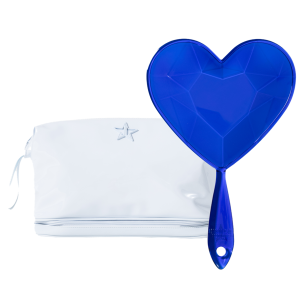
Original price was: $83.00.$35.28Current price is: $35.28.
Sale!
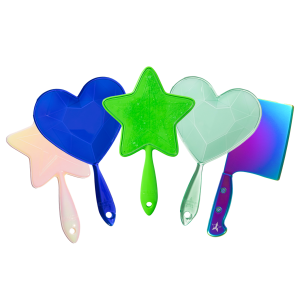
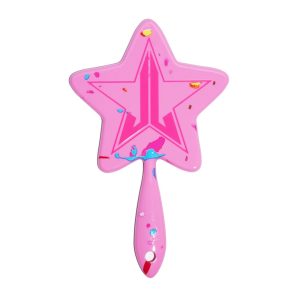
Price range: $9.60 through $11.40
Sale!
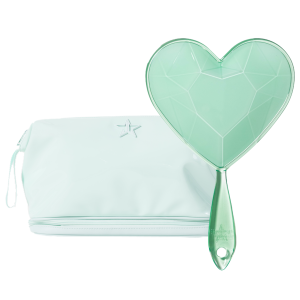
Original price was: $83.00.$35.28Current price is: $35.28.
Sale!
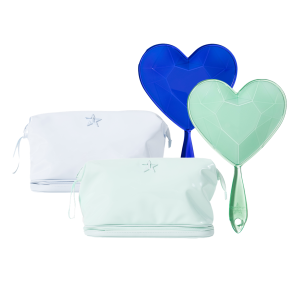
Original price was: $166.00.$66.40Current price is: $66.40.
Sale!

Original price was: $83.00.$35.28Current price is: $35.28.
Sale!
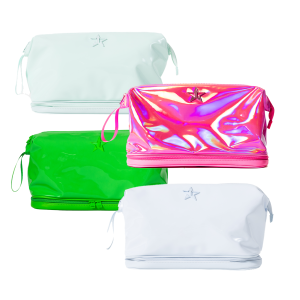
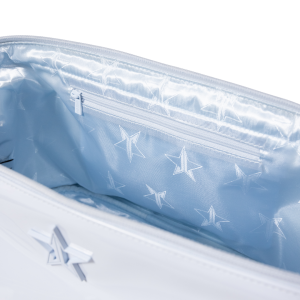
Original price was: $49.00.$14.70Current price is: $14.70.
Sale!
Original price was: $20.00.$6.00Current price is: $6.00.
Sale!

Original price was: $20.00.$6.00Current price is: $6.00.
Sale!
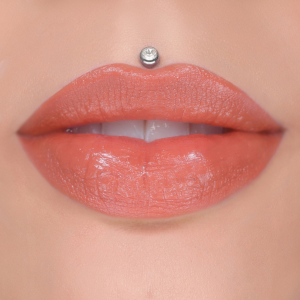
Original price was: $22.00.$6.60Current price is: $6.60.
Sale!
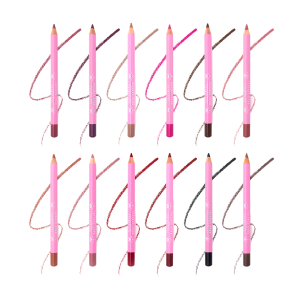
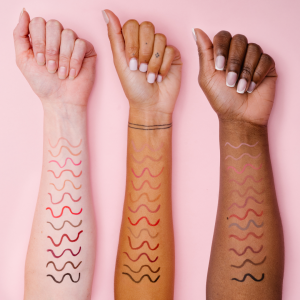
Original price was: $240.00.$92.50Current price is: $92.50.
Sale!
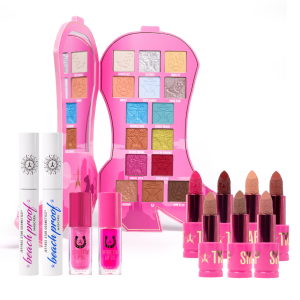
Original price was: $300.00.$127.50Current price is: $127.50.
Sale!
Original price was: $25.00.$7.50Current price is: $7.50.
Sale!
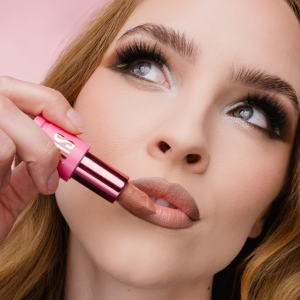
Original price was: $123.00.$36.90Current price is: $36.90.
Sale!
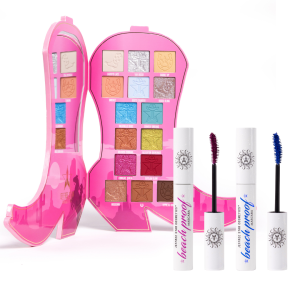
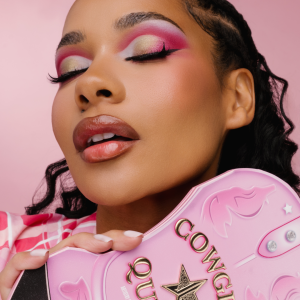
Original price was: $106.00.$45.05Current price is: $45.05.
Sale!
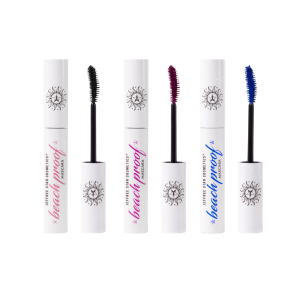
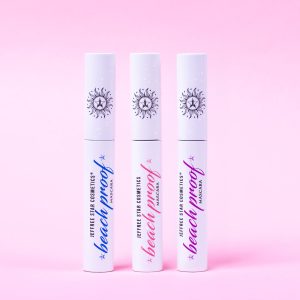
Original price was: $75.00.$31.88Current price is: $31.88.
Sale!
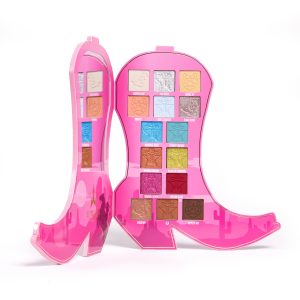
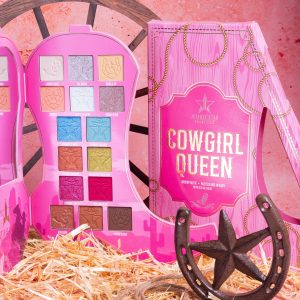
Original price was: $56.00.$28.00Current price is: $28.00.
Sale!


Original price was: $230.00.$69.00Current price is: $69.00.
Sale!
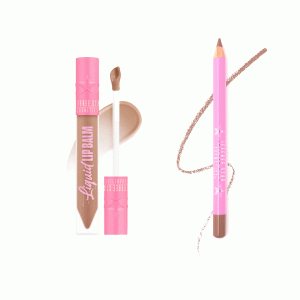
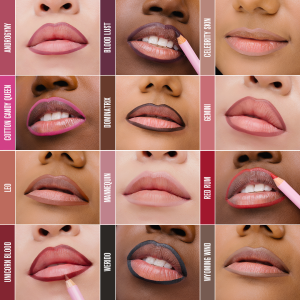
Original price was: $42.00.$12.60Current price is: $12.60.
BACK IN STOCK
Sale!
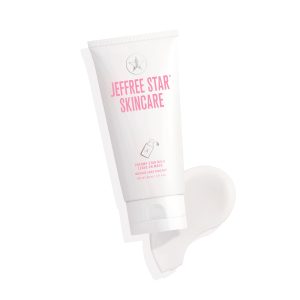
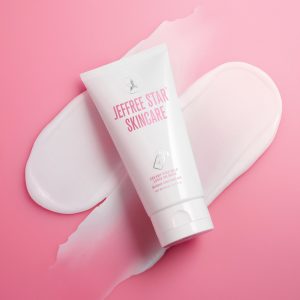
Original price was: $34.00.$17.00Current price is: $17.00.
Sale!
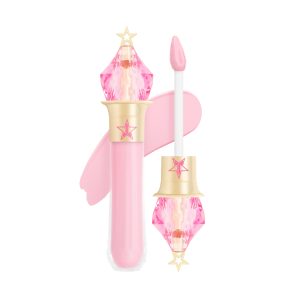
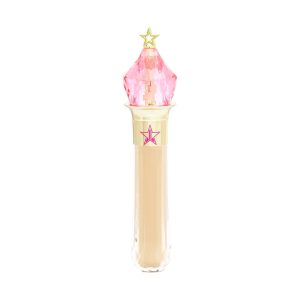
Original price was: $22.00.$6.60Current price is: $6.60.
Sale!
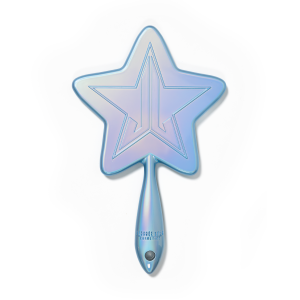
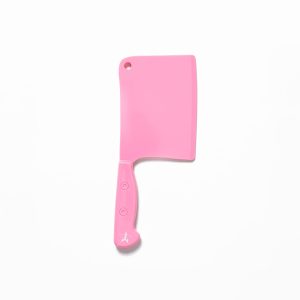
Original price was: $22.00.$6.60Current price is: $6.60.
Sale!
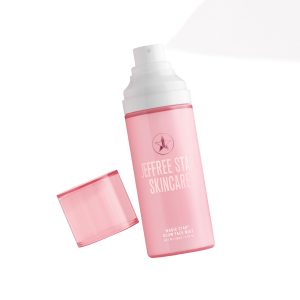
Original price was: $28.00.$14.00Current price is: $14.00.
Sale!
Original price was: $88.00.$37.00Current price is: $37.00.
Sale!
Original price was: $22.00.$6.60Current price is: $6.60.
Sale!
Price range: $3.90 through $9.00
Sale!
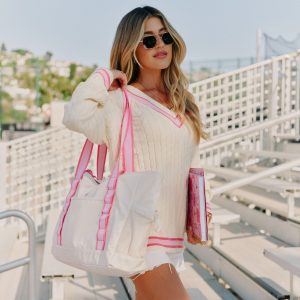
Original price was: $65.00.$19.50Current price is: $19.50.



BUNDLE &SAVE
Sale!
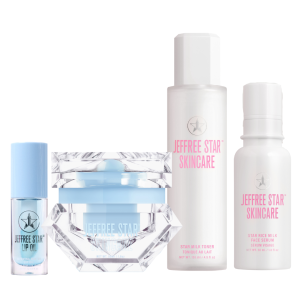
Original price was: $127.00.$53.98Current price is: $53.98.
Sale!
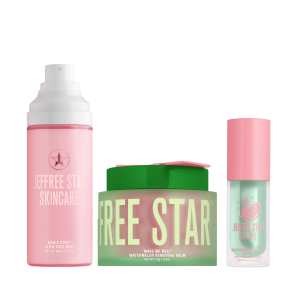
Original price was: $82.00.$34.85Current price is: $34.85.
Sale!
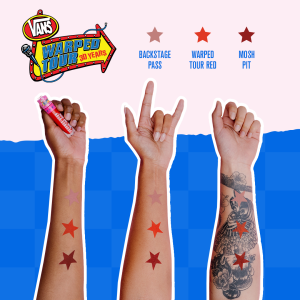
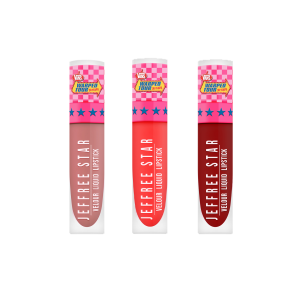
Original price was: $66.00.$28.00Current price is: $28.00.
Sale!
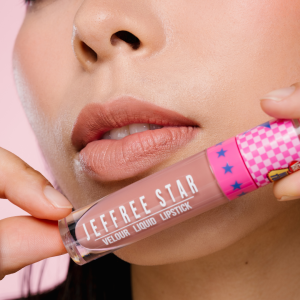
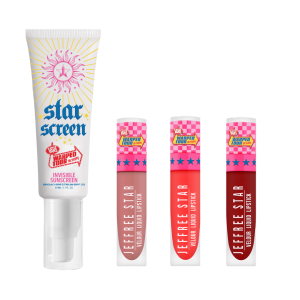
Original price was: $98.00.$41.65Current price is: $41.65.
Sale!
Original price was: $240.00.$92.50Current price is: $92.50.
Sale!
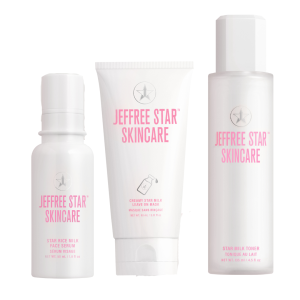
Original price was: $96.00.$40.80Current price is: $40.80.
Sale!
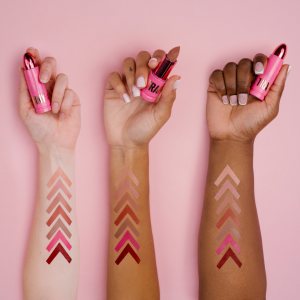
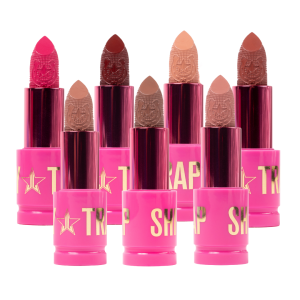
Original price was: $154.00.$65.45Current price is: $65.45.
Sale!
Original price was: $300.00.$127.50Current price is: $127.50.
Classic Recommendation.
The Evolving Role of Cosmetics in Self-Identity and Wellness
The function of personal care products and decorative applications transcends mere surface-level enhancement; it is deeply interwoven with concepts of self-perception, social interaction, and personal wellness. Historically seen primarily through the lens of adornment, the modern perspective acknowledges a much richer, more psychological role that these items play in the daily lives of individuals.
The practice of applying products to the skin, hair, or nails is, at its core, a powerful act of agency and self-expression. It is a deliberate choice about how one presents oneself to the world, a non-verbal communication of identity. Whether a person opts for a subtle, minimalist look focusing on skin health, or chooses a bold, transformative aesthetic, the decision is a declaration of personal style and current mood. This process of choice and application allows an individual to curate their external appearance to align with their internal sense of self, fostering a sense of control and confidence.
This link to confidence is significant. When a person feels their appearance reflects their best self, it can have a tangible positive impact on their psychological state, often referred to as the ‘cosmetic effect’ or ‘enclothed cognition’ applied to the face. The routine of applying products acts as a mindful transition, a short period dedicated entirely to the self before facing the day. This ritualistic aspect can be profoundly grounding, transforming a potentially mundane activity into a moment of intentional self-care. It’s a quiet investment in one’s personal armor for social engagement.
Furthermore, the shift in the industry’s focus from concealing imperfections to promoting overall skin health reflects a deeper integration of these products with personal wellness. Modern formulations are increasingly centered on enhancing the skin’s natural functions—improving hydration, supporting the protective barrier, and mitigating environmental stressors. The language used has evolved from solely “anti-aging” to “healthy aging” or “skin longevity,” positioning these products as tools for sustained dermal health rather than just quick-fix solutions. This emphasis aligns the routine with a holistic view of well-being, where external care is seen as an extension of internal health maintenance.
The social dimension is equally compelling. While the application is often a private act, the result is public. Throughout history, specific applications and appearances have served as markers of social status, group affiliation, or cultural adherence. Today, while the rules are more fluid, appearance remains a key component of how individuals navigate social settings. The shared interest and exchange of application techniques and product recommendations also foster communities—online and in person—creating connections based on mutual passion and discovery. This collective learning and sharing strengthen the social fabric around the topic.
However, the industry also carries the responsibility of promoting realistic ideals. The conversation around cosmetics is now actively addressing issues of inclusivity, moving toward a celebration of diverse skin tones, types, and features. The most innovative developments are those that provide truly effective, tailored options for a broader spectrum of consumers, recognizing that true enhancement comes from accentuating natural, individual beauty rather than striving for a singular, unattainable standard.
In conclusion, the products we apply daily are far more than just jars of chemicals; they are instruments of self-definition. They facilitate a daily ritual that boosts self-efficacy, bridges the gap between internal identity and external presentation, and increasingly, serves as a component of a comprehensive personal wellness regimen. The evolution of the cosmetic world mirrors a broader cultural shift: a movement toward intentional self-care, genuine health promotion, and the boundless freedom of self-expression.